
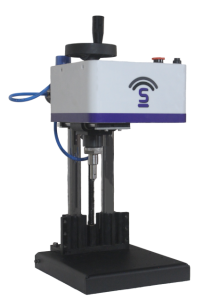
In modern manufacturing, product identification, traceability, and branding are crucial. Marking machines have become an integral part of quality control, inventory management, and compliance with industry regulations. One such efficient and reliable tool is the table top dot peen marking machine—a compact yet powerful solution that offers permanent marking on a wide range of materials. However, selecting the right materials to mark with a dot peen system is just as important as choosing the right machine. The type of material impacts mark quality, machine longevity, and overall efficiency.
This article explores how to choose the appropriate materials when using a dot peen engraving machine, especially table top models, and how that choice affects marking consistency, production cost, and durability.
Understanding Dot Peen Marking Technology
A dot pin marking machine (commonly known as a dot peen machine) works by driving a stylus into the surface of a material in rapid succession to create a series of dots. These dots combine to form characters, serial numbers, logos, barcodes, and more. Unlike ink or laser systems, dot peen marking physically deforms the material, which makes the mark permanent and highly resistant to wear, heat, and chemicals.
Table top versions of these machines are often used for batch production or smaller components, offering precise and consistent results without taking up much space on the factory floor.
Why Material Selection Matters
While dot peen engraving machines are versatile and capable of marking a wide variety of surfaces, not all materials respond equally well to this method. The material’s hardness, surface finish, thickness, and even thermal properties can affect:
- Marking depth and clarity
- Speed and efficiency
- Stylus wear and machine maintenance
- Overall quality and readability of the mark
Selecting the wrong material can lead to superficial or uneven marks, increased machine wear, or even product damage.
Materials Compatible with Table Top Dot Peen Marking Machines
Here’s a look at some of the most commonly used materials in conjunction with dot pin marking machines, along with considerations for each.
1. Metals
Metals are the most frequently marked materials in industries using dot peen systems.
- Mild Steel & Stainless Steel: These are ideal materials for dot peen. They allow for deep, durable marks with minimal stylus wear. These are widely used in the automotive, defense, and heavy engineering sectors.
- Aluminum: Soft and lightweight, aluminum marks very easily. However, it requires lower stylus pressure to avoid unwanted deformation.
- Brass and Copper: These materials offer high mark quality but may cause slight stylus wear over time due to their stickier nature.
- Titanium: Though it’s more difficult to mark due to its toughness, titanium is used in aerospace and medical industries where permanent identification is critical.
Harder metals can still be marked efficiently, but the table top marking machine must have adjustable force settings and high-quality carbide or diamond-tipped styluses.
2. Plastics
Some high-performance plastics can be marked with dot peen technology, though laser marking is typically preferred for aesthetic purposes.
- ABS, PVC, Polycarbonate: These can be marked if the stylus pressure is controlled carefully, but depth may be limited.
3. Wood and Other Non-Metals
Dot peen marking on wood is generally not recommended. The fibrous and uneven structure of wood doesn’t respond well to stylus indentation. Similarly, ceramic and glass are too brittle for impact marking.
Key Features to Look for in a Dot Peen Machine for Various Materials
When selecting a dot peen engraving machine, especially for marking diverse materials, you should consider:
1. Adjustable Stylus Force
Materials vary in hardness. Being able to adjust the marking depth ensures you get optimal results without damaging the part or the stylus.
2. Precision Control System
For soft materials like aluminum or certain plastics, a precision control system ensures fine, legible marks with minimal deformation.
3. Durable Stylus Material
Using carbide or diamond-tipped styluses ensures longer tool life, especially when working with hard metals like titanium or stainless steel.
4. Software Compatibility
Advanced software that allows you to control marking parameters, patterns, and data inputs (serial numbers, batch codes, QR codes) is essential for high-accuracy marking.
Economic Considerations and ROI
When evaluating the investment, consider the engraving machine price against the range of materials you intend to mark. While a higher-end table top dot peen marking machine might have a steeper upfront cost, it will provide better longevity and less maintenance when used with the correct materials.
For manufacturers marking thousands of metal parts daily, dot peen offers an excellent ROI due to low consumables and minimal maintenance compared to ink or laser systems.
Safety and Maintenance
Using the wrong material can increase stylus wear or even cause machine malfunction. Always check the material’s hardness rating and ensure your stylus is compatible. Also, regular maintenance such as cleaning the stylus tip and checking for wear helps maintain marking quality and machine longevity.
Why Consider Hateng Laser for Your Dot Peen Marking Needs?
When it comes to table top dot peen marking machines, Hateng Laser has made a solid name for itself in the industry. Known for its precise engineering and user-friendly design, Hateng’s machines are particularly favored by small to mid-sized manufacturing units that prioritize both durability and repeatable performance.
What sets Hateng Laser apart is its attention to detail when it comes to material compatibility. Whether you’re working with hardened steel, aluminum, plastic, or coated surfaces, their dot peen marking machines maintain consistent marking depth and clarity—without damaging the base material. This is a major consideration when selecting a machine that must adapt to various components or part finishes on the shop floor.
Another advantage is the brand’s focus on modular design. Most Hateng Laser machines, especially their table top versions, are built to be integrated into existing production lines or used as standalone units. This gives you flexibility, especially if you’re operating in space-constrained work environments.
In terms of support, Hateng Laser offers comprehensive documentation and reliable after-sales service, which is especially beneficial for first-time users or operations scaling their marking capacity.
So, if you’re evaluating marking machines not just for performance but also for long-term support and material versatility, Hateng Laser is worth placing high on your shortlist.
The Final Thoughts
The table top dot peen marking machine is a powerful solution for manufacturers needing permanent, readable, and durable marks. But to achieve consistent quality and high-speed production, selecting the right material is critical. From aluminum and steel to certain plastics, understanding material behavior under dot peen technology helps optimize production, reduce downtime, and ensure compliance with industry standards.
Investing in a good-quality dot pin marking machine that offers flexibility, precision, and durability will ensure that manufacturers meet both their operational and financial goals—especially when it comes to marking on metal surfaces.
FAQs
Q1: What is the best material for dot peen marking?
Metals such as mild steel, stainless steel, and aluminum are ideal for dot peen marking due to their hardness and consistency. These materials allow deep, legible, and permanent marks with minimal stylus wear.
Q2: Can a table top dot peen machine mark plastics?
Yes, but only certain types like ABS and polycarbonate. It’s important to reduce stylus pressure to avoid cracking or distorting the surface.
Q3: How does material hardness affect marking quality?
Harder materials may require more stylus force, which can lead to increased stylus wear. Too soft materials can deform if the pressure is too high. That’s why adjustable stylus settings are important.
Q4: What is the difference between dot peen and laser engraving in terms of materials?
Dot peen is mechanical and suitable for metals and some plastics. Laser marking is non-contact and better suited for aesthetic or fragile materials like glass, ceramics, and fine plastics.
Q5: Is the engraving machine price justified for small batch production?
If you are consistently marking high-value components or need permanent identification, the long-term durability, low operating cost, and minimal maintenance of dot peen systems often justify the price—even for lower volumes.